

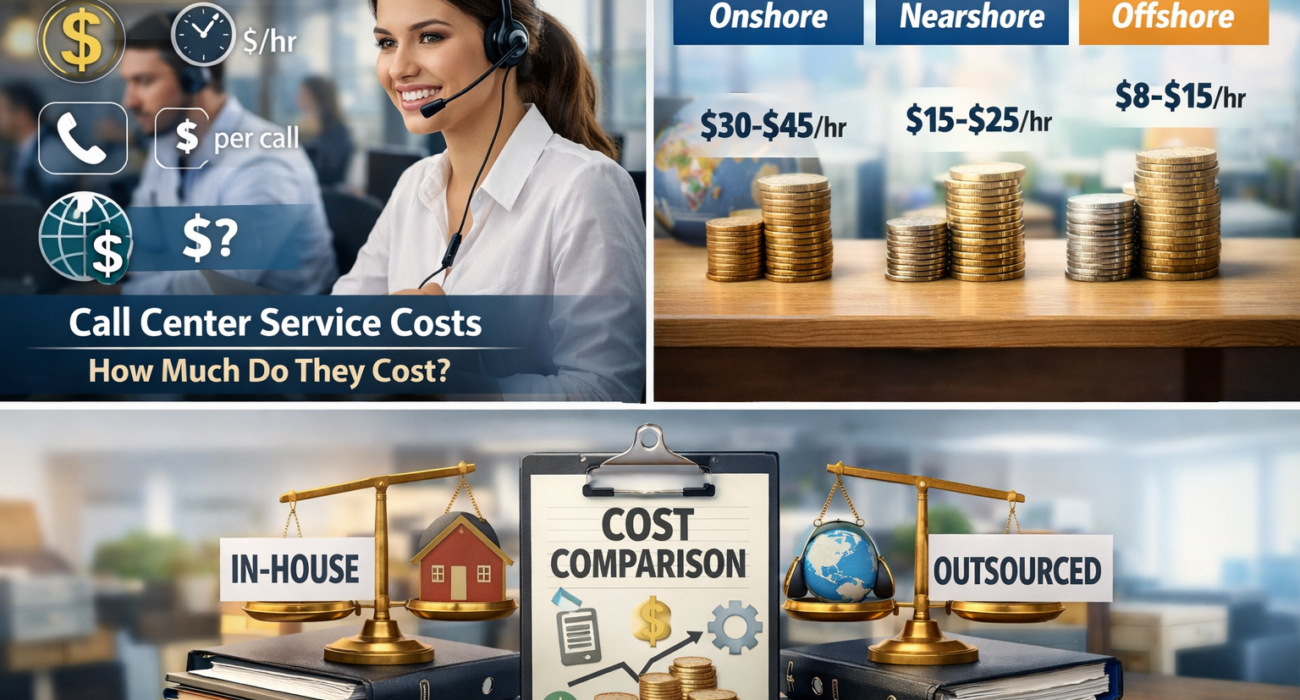
Introduction to Call Center Services and Pricing
Understanding How Much Do Call Center Services Cost? (Pricing Guide for Businesses) is a critical question for organizations aiming to scale customer support, sales, or technical assistance efficiently. Call center services have become a backbone of modern business operations, helping companies maintain customer satisfaction while managing operational expenses.
Pricing can vary widely depending on location, service complexity, technology, and pricing models. Some businesses spend a few thousand dollars per month, while others invest hundreds of thousands annually. This guide breaks down everything you need to know—clearly, simply, and strategically—so you can make confident decisions.
What Are Call Center Services?
Call center services involve managing inbound and outbound customer interactions via phone, email, chat, or social media. These services can be outsourced or handled internally, depending on business needs.
Inbound Call Center Services
Inbound services focus on receiving customer calls. These typically include:
-
Customer support and help desks
-
Technical support
-
Order processing
-
Appointment scheduling
-
Complaint handling
Inbound pricing is often influenced by call duration, complexity, and service level expectations.
Outbound Call Center Services
Outbound call centers initiate contact with customers. Common uses include:
-
Sales and lead generation
-
Telemarketing campaigns
-
Customer surveys
-
Debt collection
-
Follow-up calls
Outbound services often require higher-skilled agents, which can increase costs.
Blended Call Center Models
Blended call centers handle both inbound and outbound calls. While flexible, they often require advanced workforce management tools, affecting overall pricing.
Why Understanding Call Center Costs Matters for Businesses
Failing to understand pricing structures can lead to overspending, underperformance, or poor customer experiences. Knowing cost drivers allows businesses to:
-
Set realistic budgets
-
Compare vendors accurately
-
Avoid hidden fees
-
Scale services efficiently
-
Maximize return on investment
In short, clarity on pricing empowers smarter outsourcing decisions.
Primary Pricing Models Used by Call Centers
Per-Hour Pricing Model
This is one of the most common pricing structures.
Average cost range:
-
Offshore: $8–$15/hour
-
Nearshore: $15–$25/hour
-
Onshore: $25–$45/hour
Best for predictable call volumes and steady workloads.
Per-Minute Pricing Model
Businesses are charged based on actual talk time.
Typical rates:
-
$0.60–$1.50 per minute
Ideal for variable call volumes but may be harder to forecast.
Per-Call Pricing Model
Charges are applied for each completed call.
Average range:
-
$2–$6 per call
Works well for short, transactional calls like surveys or confirmations.
Per-Agent (Dedicated Agent) Pricing
You pay a flat monthly rate per agent.
Monthly cost per agent:
-
Offshore: $1,200–$2,500
-
Nearshore: $2,500–$4,000
-
Onshore: $4,000–$7,000
Best for businesses needing consistency and deep brand knowledge.
Performance-Based Pricing
Costs are tied to results, such as sales conversions or appointments booked. While attractive, this model often includes higher base rates to offset vendor risk.
Average Call Center Service Costs (2026 Benchmarks)
Onshore Call Center Costs
Located in the same country as your business.
Pros:
-
Cultural alignment
-
Language fluency
-
Time zone compatibility
Cons:
-
Highest cost
Average: $30–$45/hour per agent
Nearshore Call Center Costs
Located in nearby countries.
Pros:
-
Moderate costs
-
Similar time zones
-
Good language skills
Average: $15–$25/hour per agent
Offshore Call Center Costs
Typically based in Asia or Eastern Europe.
Pros:
-
Lowest cost
-
Large talent pool
Cons:
-
Time zone differences
-
Accent concerns
Average: $8–$15/hour per agent
Factors That Influence Call Center Pricing
Geographic Location
Labor costs vary drastically by region, making location the single biggest cost factor.
Agent Skill Level and Training
Technical support, healthcare, or financial services require specialized training, increasing rates.
Call Volume and Duration
Higher call volumes often reduce per-unit costs due to economies of scale.
Technology and Software
Advanced CRM systems, AI call routing, and analytics tools add to monthly fees.
Service Level Agreements (SLAs)
Tighter SLAs (shorter wait times, higher resolution rates) require more staffing and raise costs.
Hidden Costs to Watch Out For
Many businesses overlook additional fees, such as:
-
Setup and onboarding fees
-
Training costs
-
Quality assurance charges
-
Overtime or holiday rates
-
Software licensing
Always request a fully itemized quote before signing a contract.
Cost Comparison: In-House vs Outsourced Call Centers
| Factor | In-House | Outsourced |
|---|---|---|
| Initial Setup | High | Low |
| Staffing Costs | High | Included |
| Scalability | Limited | Flexible |
| Technology | Expensive | Included |
| Management | Time-consuming | Vendor-managed |
Outsourcing is often 30–50% cheaper overall for small to mid-sized businesses.
How to Budget for Call Center Services
-
Define service scope clearly
-
Estimate monthly call volume
-
Choose the right pricing model
-
Plan for scalability
-
Allocate contingency funds (10–15%)
Budgeting accurately prevents surprises and ensures long-term success.
Tips to Reduce Call Center Costs Without Sacrificing Quality
-
Use IVR to reduce agent workload
-
Implement call analytics to shorten handle time
-
Outsource non-core support tasks
-
Opt for blended agent models
-
Review performance metrics regularly
Smart optimization beats aggressive cost-cutting every time.
Industry-Specific Call Center Pricing Examples
-
E-commerce: $1.50–$3 per call
-
Healthcare: $25–$40/hour (HIPAA-trained agents)
-
Finance: $30–$50/hour
-
SaaS Support: $20–$35/hour
Each industry carries unique compliance and skill requirements.
FAQs About Call Center Service Costs
1. Are call center contracts long-term?
Most vendors offer monthly, quarterly, or annual contracts.
2. Is offshore always cheaper?
Yes, but quality and communication should be evaluated carefully.
3. Can pricing scale as my business grows?
Reputable providers offer flexible scaling options.
4. Are bilingual agents more expensive?
Typically 10–20% higher due to skill demand.
5. Do call centers charge setup fees?
Some do—always ask upfront.
6. What is the best pricing model for startups?
Per-hour or per-call models offer flexibility and cost control.
Conclusion: Choosing the Right Call Center at the Right Price
Understanding How Much Do Call Center Services Cost? (Pricing Guide for Businesses) allows organizations to balance cost efficiency with customer experience. The cheapest option is not always the best—but the right pricing model, location, and service scope can deliver exceptional value.
For further industry benchmarks and outsourcing insights, explore resources from reputable organizations like Deloitte.